

Essential tips for plant-based pastry making
Creating plant-based pastries is easier than you think! With a few simple substitutions and a dash of creativity, you’ll be able to create mouth-watering treats. In this guide, we'll share the essential tips and tricks to help you get started on your plant-based pastry making journey.
Your guide to...
- Plant-based pastry making
- Key pastry ingredients
- Plant-based recipe
- Essential plant-based pastry ingredients
- The indispensables guide
Plant-based pastry making
More than just a trend, plant-based pastry-making allows bakers, patissiers and artisans to cater for their customers in a way that hasn't been possible before. While more and more people are embracing plant-based food for health, ethical or environmental reasons, there's a growing demand for treats that don't compromise on taste and texture. Therein lies a technical challenge for traditional pastry-makers as animal-derived ingredients, including butter and eggs, perform crucial functions in the creation of pastry. However, Sosa have identified these and crafted a thorough selection of plant-based options that fulfil them. In some cases, these ingredients even out-perform animal-derived ingredients, such as extending shelf.
Key pastry ingredients
In the world of plant-based pastry making, the quality of ingredients can change your creations from ordinary to extraordinary. But what are the key components that make a plant-based pastry truly special, and how do you swap out traditional ingredients for plant-based alternatives? Here, we delve into the fundamental ingredients, and provide you with the knowledge to find alternatives with ease.
Eggs
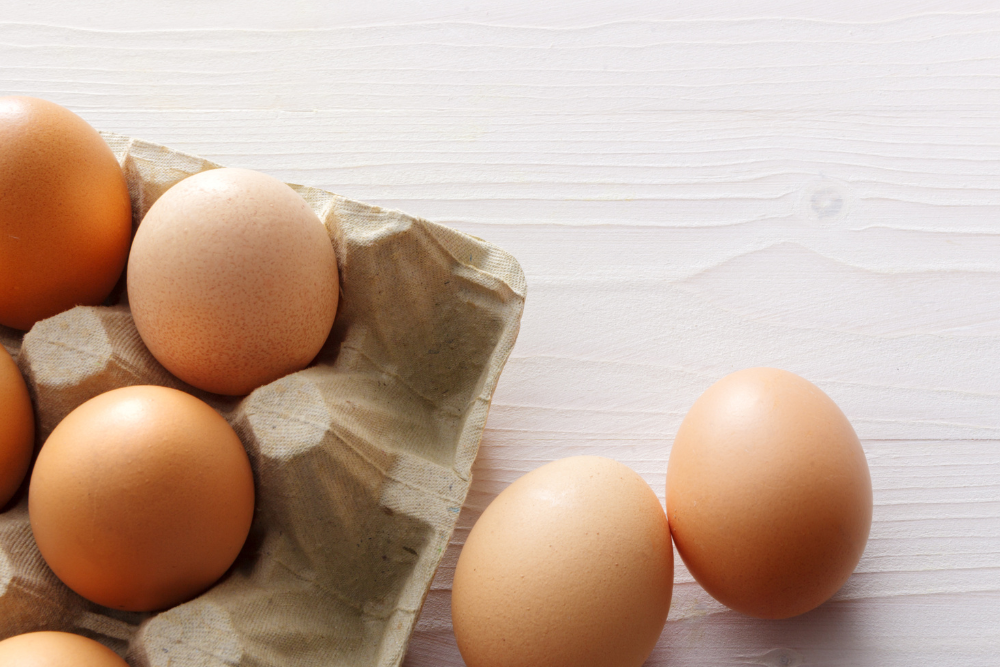
A fundamental component in baking, eggs serve as an emulsifier, aerator, and coagulant. To replicate their functionality in plant-based baking, we can harness the power of potato protein and soy protein for aeration, while combining water and vegetable oils with fibres to achieve emulsification. By leveraging these substitutes, you'll be able to create plant-based baked goods that are not only delicious but also remarkably like their traditional counterparts.
Butter
Boiron's dedication to sustainability is reflected in their commitment to using only the finest, locally sourced ingredients and minimising waste throughout their production process. This approach not only ensures the highest quality of their artisanal fruit preserves, but also reduces their environmental impact. When you choose Boiron's fruit preserves, you're not only indulging in a delicious and authentic culinary experience, but also supporting a company that shares your values of sustainability and environmental responsibility.
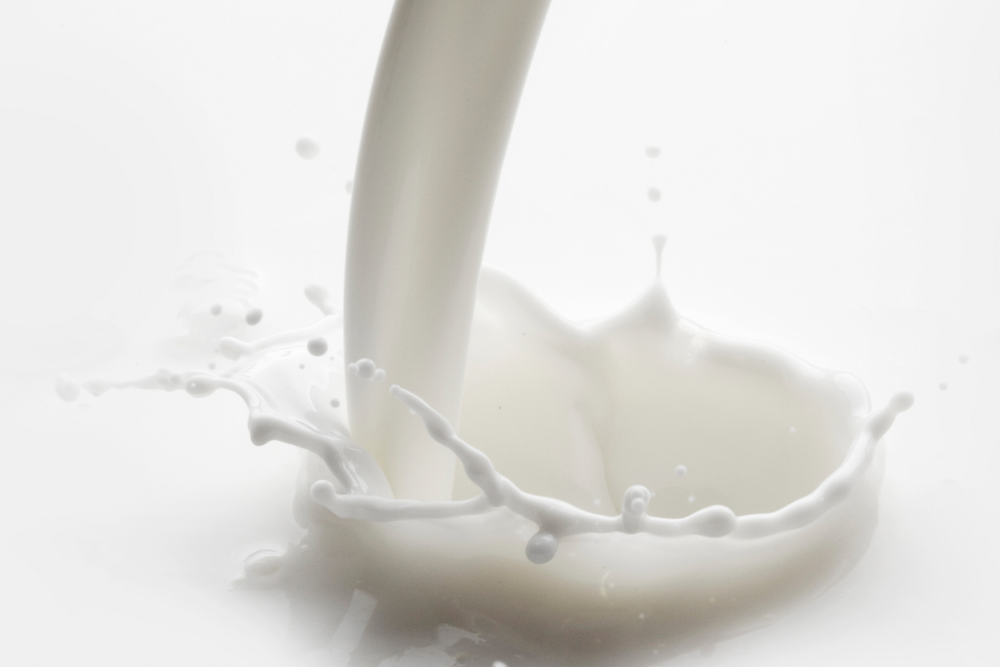
Milk
Milk in baking, provides moisture and flavour to a wide range of sweet and savoury treats. Fortunately, plant-based milks have emerged as excellent substitutes, offering a variety of flavour profiles to suit your recipe's unique needs. From the nutty taste of soy milk to the creamy richness of coconut milk, and the subtle sweetness of rice milk, plant-based milks provide a versatile range of options for achieving the perfect balance of moisture and flavour. We could also make our own milk substitute by using 87% water, 5% proteins, 4.5% sugars and 3.5% fats.
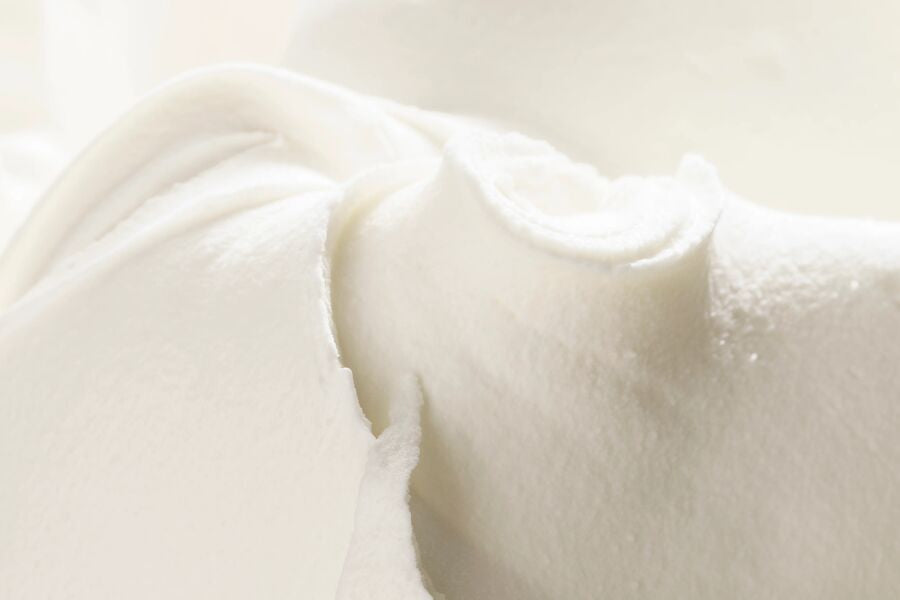
Cream
Cream provides a rich source of fat so, for plant-based alternatives, you can combine plant proteins with flavoured liquids and fats to create a creamy texture and a burst of flavour. For mousses, this combination is particularly effective, allowing you to create light and airy textures that are simply divine. For baking, shea butter or coconut fat provide a rich and creamy texture that is perfect for cakes, cookies, and other sweet treats.
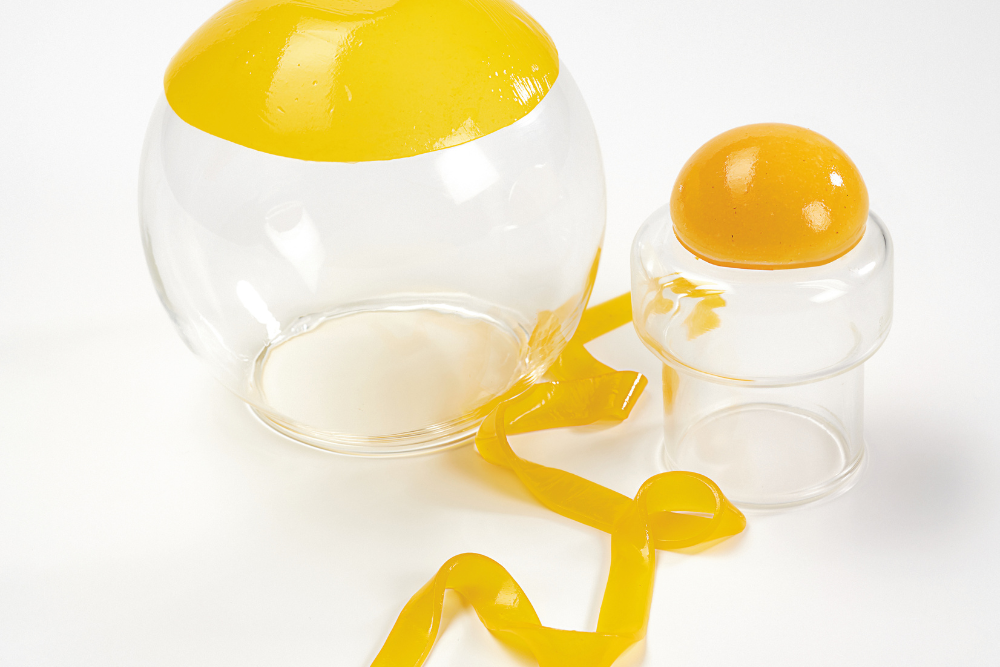
Gelatine
Gelatine is a common ingredient in many recipes, serving as a stabiliser and gelling agent to create a range of textures and consistencies. For plant-based alternatives, we can turn to a variety of vegetable gelling agents, including gellan gum and pectins, to achieve similar results.
Essential plant-based pastry ingredients

Sosa powdered food colouring - red - 70g


Sosa freeze-dried whole raspberries (with seeds) - 75g


Sosa powdered natural food colouring - black (with activating charcoal) - 20g


Sosa crispy crispy raspberry pieces (2 - 10mm) - 300g
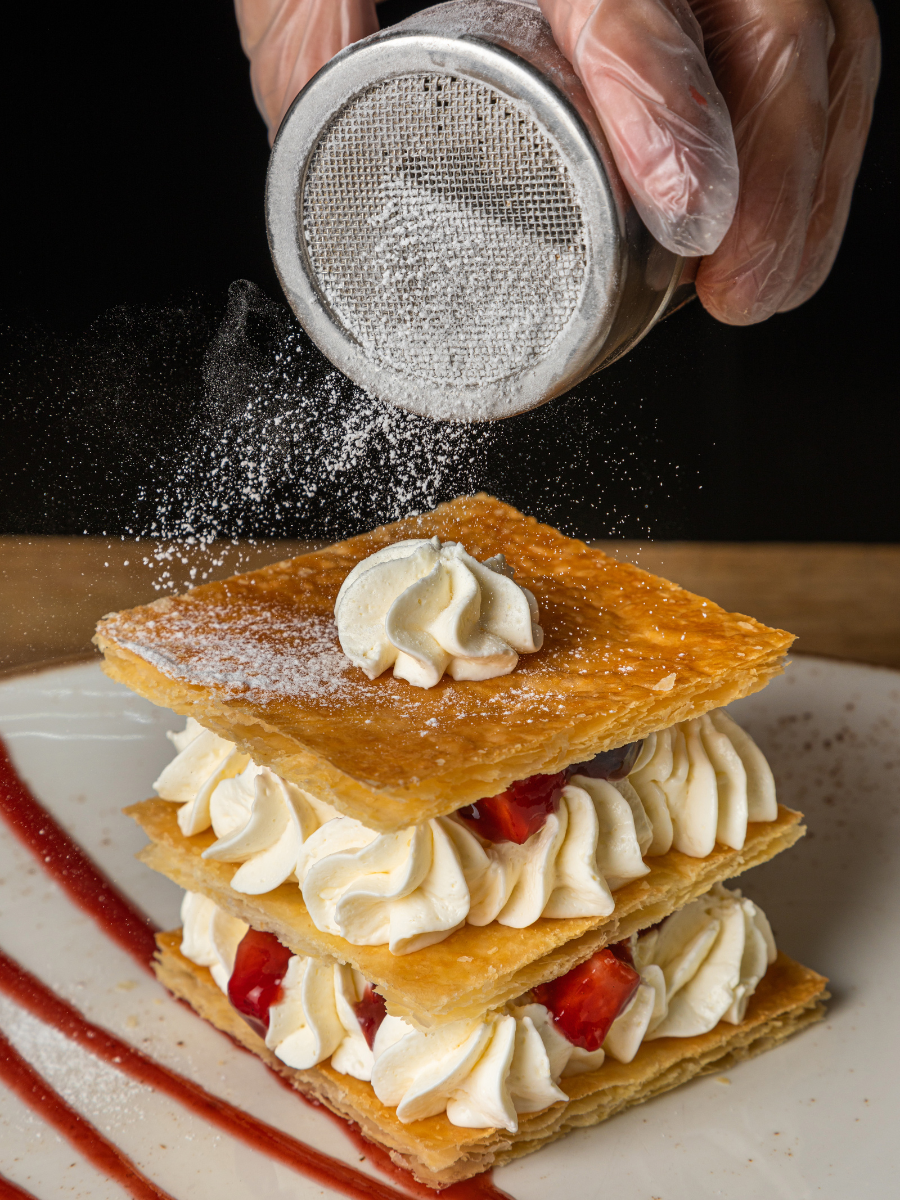
Sosa recipes

Did someone say it’s cocktail hour?
Create a stir in your bar or restaurant with these three stunning summer cocktails.
Read more


